In today's fast-paced digital world, businesses continuously seek innovative communication solutions that improve efficiency while reducing costs. Voice over Internet Protocol (VoIP) phone systems have emerged as game-changers in the telecommunications landscape. However, selecting the right provider for your VoIP telephone needs can be daunting. With numerous options available, how do you choose the one that aligns with your business goals? In this comprehensive guide, we'll explore Key Considerations When Selecting a Provider for Your VoIP Telephone Needs.
Understanding the Basics of VoIP Phone Systems
What is VoIP?
VoIP, or Voice over Internet Protocol, allows users to make voice calls using the internet instead of traditional phone lines. This technology converts voice signals into digital data packets that travel over the internet. Consequently, businesses can enjoy significant cost savings and enhanced functionalities compared to conventional telephony.
Benefits of VoIP Phone Systems
Cost Efficiency: Traditional phone services often incur high long-distance charges. VoIP significantly reduces these costs because it uses existing internet infrastructure. Scalability: As your business grows, so does your need for communication solutions. VoIP systems are easily scalable; adding new lines or features is typically straightforward. Advanced Features: Many providers offer features like call forwarding, voicemail-to-email transcription, and video conferencing without additional costs.Key Considerations When Selecting a Provider for Your VoIP Telephone Needs
When considering a provider for your VoIP telephone needs, several critical factors can impact your decision. Here’s what to keep in mind:
1. Reliability and Uptime Guarantees
A reliable communication system is vital for any business operation. Look for providers offering uptime guarantees of at least 99.9%.
- Why is uptime crucial? If your phone system goes down, it can significantly disrupt operations and customer interactions.
2. Quality of Service (QoS)
Voice quality is paramount when it comes to communication solutions.
- How do you assess QoS? Check user reviews and conduct tests yourself if possible. Look for indicators like latency (delay), jitter (variation in packet arrival time), and packet loss.
3. Customer Support
Having responsive customer support can save you headaches down the line.
- What should you look for? Ensure that they offer 24/7 support via multiple channels—phone, email, chat—and check their response times through reviews.
4. Pricing Structure
Understanding pricing models is essential to avoid unexpected expenses.
- What pricing structures are common? Per-user pricing Tiered pricing based on usage Flat-rate monthly fees
5. Scalability Options
Your chosen provider should grow with your business.
- What does scalability involve? Make sure they offer easy upgrades or downgrades as needed without hefty fees or complications.
6. Integration Capabilities
Consider how well the VoIP phone system integrates with other software you use.
- What integrations should you look for? CRM systems Email platforms Project management tools
Diving Deeper into VoIP Features
7. Essential Features of VoIP Phone Systems
Before selecting a provider, familiarize yourself with essential features offered by various VoIP systems:
Call forwarding Caller ID Conference calling Auto-attendant and IVR (Interactive Voice Response) Mobile app support8. Advanced Features That Can Enhance Productivity
Apart from basic features, some providers offer advanced functionalities:
- Video conferencing capabilities Call analytics and reporting tools Integration with AI-driven solutions
Evaluating Potential Providers Based on Your Needs
9. Assessing Provider Reputation
Research potential providers thoroughly before making a decision.
- Where can you find reliable information? Online reviews on platforms like G2 or Capterra. Industry forums where current users share experiences.
10. Understanding Contract Terms and Conditions
Before signing anything, review contract terms carefully to understand any hidden fees or penalties associated with cancellation or changes in service levels.
Security Features of Your VoIP System
11. Importance of Security in Communication Systems
In an era where data breaches are rampant, security must be a top priority when selecting a provider.
- Protecting sensitive information ensures compliance with regulations like GDPR or HIPAA depending on your industry sector.
12. Key Security Features to Look For in Providers’ Offerings
Encryption protocols Firewall protection Regular security auditsThe Role of Network Infrastructure in VoIP Performance
13. Analyzing Your Existing Network Infrastructure
Before implementing a new system, evaluate whether your current network supports high-quality voice calls without interruption.
- Upgrading to better routers or switches may be necessary if traffic congestion exists.
14. Bandwidth Requirements for Reliable Service
Assessing bandwidth needs will help determine if you require additional capacity to accommodate increased call volume effectively without compromising quality.
International Calling Needs and Providers’ Offerings
15. Evaluating International Calling Rates Across Providers
If international communication is critical for your business operations:
- Compare rates among different providers as they vary widely based on geographical coverage and service agreements.
Future-Proofing Your Communication System with Technology Trends
16. Keeping Up With Emerging Technologies in Telecommunication
Being aware of upcoming trends ensures that you remain competitive within your industry:
Artificial Intelligence integration into customer support. Unified Communications as a Service (UCaaS).FAQ Section
1) What is the primary advantage of using a VoIP phone system over traditional landlines?
The primary advantage lies in cost https://pastelink.net/py5lhue7 efficiency; businesses save money on long-distance calls while enjoying advanced features that enhance productivity without incurring extra costs typically associated with traditional systems.
2) Can I keep my existing phone number when switching to a new VoIP provider?
Most reputable VoIP providers offer number porting services which allow users to retain their existing numbers during transition seamlessly.
3) Is there any specific hardware required for using a VoIP phone system?
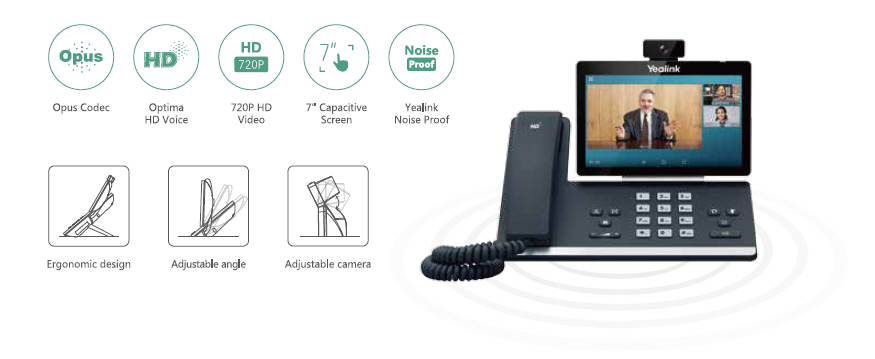
Users may require compatible IP phones or softphones installed on computers/mobile devices along with stable internet connectivity but not necessarily traditional landlines anymore.
4) How do I ensure quality service from my chosen provider?
Conduct thorough research by reading user reviews focusing specifically on performance metrics such as call clarity and reliability before making decisions based off their offerings underlined within contracts ensuring compliance standards upheld throughout processes involved therein!
5) Are there any hidden fees associated with implementing a new VOip solution ?
It’s essential always read through contracts carefully checking out potential hidden costs related installation equipment maintenance updates etcetera prior committing full scale integrations alongside regular usage charges incurred thereafter!
6) What steps should I take if experiencing issues after setting up my new VOip service ?
Contacting customer support immediately is crucial; providing details about problems encountered gives faster resolutions ensuring minimal downtime impacting workflows adversely!
Conclusion
Choosing the right provider for your VoIP telephone needs involves careful consideration across multiple factors including reliability, quality of service, security features among many others discussed herein! By understanding these key elements outlined above while leveraging insights gained throughout research processes undertaken one can confidently navigate through options available ultimately leading towards informed decisions beneficially suited towards achieving desired outcomes effectively!
In summary—by keeping these considerations at the forefront during selection processes businesses will ensure optimal functionality from their communications infrastructure paving pathways toward sustained growth successively!